How to Conduct an Energy Audit for Your Business in Gambia
Understanding the Importance of an Energy Audit
Conducting an energy audit for your business in Gambia is a crucial step towards reducing energy costs and enhancing sustainability. An energy audit helps you identify areas where energy is being wasted and provides actionable insights to improve efficiency. This not only benefits your bottom line but also contributes to environmental conservation.
Energy audits can help businesses of all sizes, from small enterprises to large corporations. By systematically evaluating energy use, you can implement changes that lead to significant cost savings.

Steps to Conduct an Energy Audit
1. Assess Your Current Energy Usage
Begin by gathering data on your current energy usage. This involves collecting utility bills and usage records for the past year. Understanding your baseline energy consumption is critical for identifying areas of improvement.
Consider using energy monitoring tools to collect real-time data. These tools can provide insights into peak usage times and areas where energy demand is highest.
2. Identify Areas for Improvement
Once you have a clear understanding of your energy usage, the next step is to identify areas where energy efficiency can be improved. Common areas include lighting, heating, ventilation, and air conditioning (HVAC) systems, and office equipment.
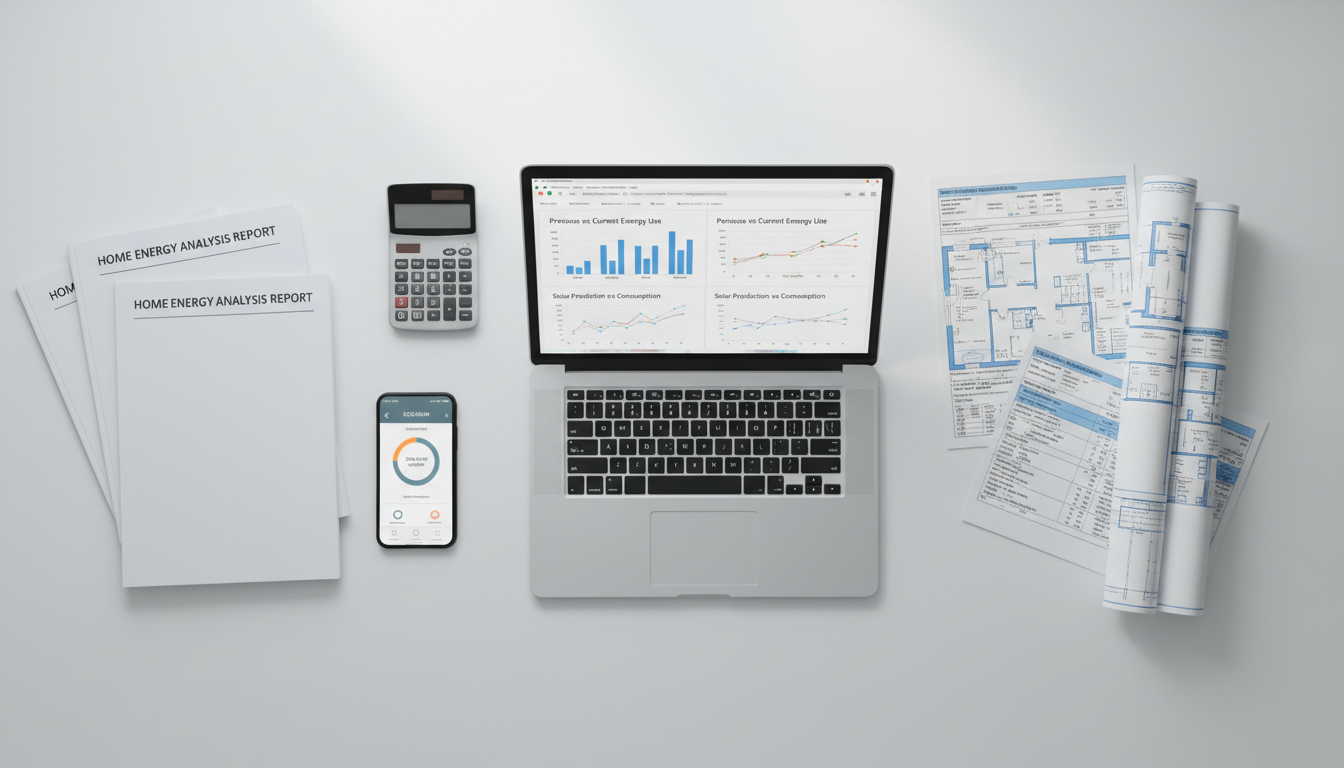
Look for outdated equipment that may be consuming more energy than necessary. Upgrading to energy-efficient alternatives can lead to substantial savings.
Implementing Energy-Saving Measures
3. Develop an Action Plan
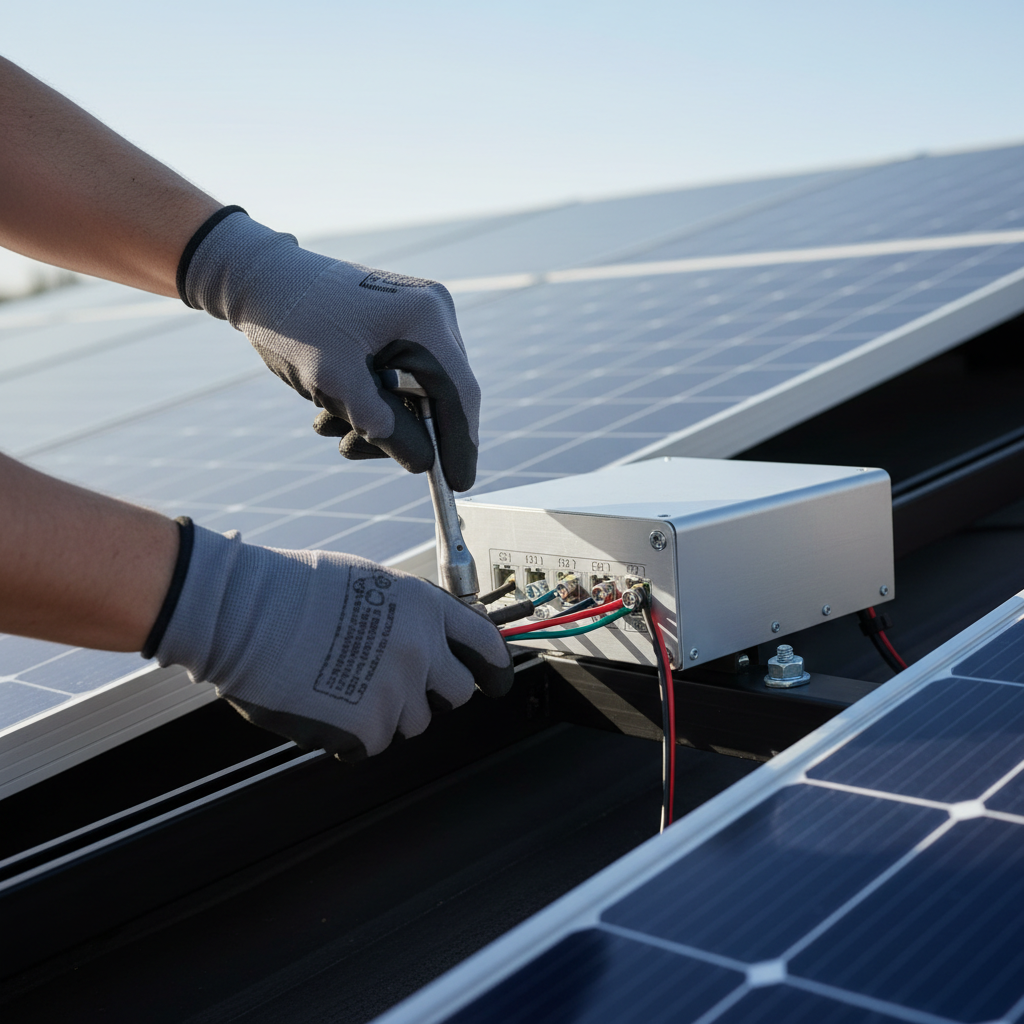
With identified areas for improvement, you can now develop an action plan. Prioritize actions based on potential savings and ease of implementation. Your plan might include upgrading lighting to LED, optimizing HVAC systems, or investing in renewable energy sources such as solar panels.
Set achievable goals and timelines for each action item. This structured approach ensures that improvements are systematically addressed.
4. Monitor and Review
After implementing energy-saving measures, it's essential to monitor and review their effectiveness. Regularly compare your current energy usage with your baseline to assess the impact of the changes implemented.
Consider conducting periodic audits to ensure continued efficiency. This ongoing process will help you adapt to changing energy needs and continue to reduce costs.
Benefits of Conducting an Energy Audit
By conducting an energy audit, businesses in Gambia can enjoy numerous benefits. These include reduced energy bills, a smaller carbon footprint, and an improved corporate image. Additionally, energy efficiency can lead to enhanced operational performance and longevity of equipment.
Embracing energy efficiency not only supports financial goals but also demonstrates a commitment to sustainability, which is increasingly important to consumers and clients alike.
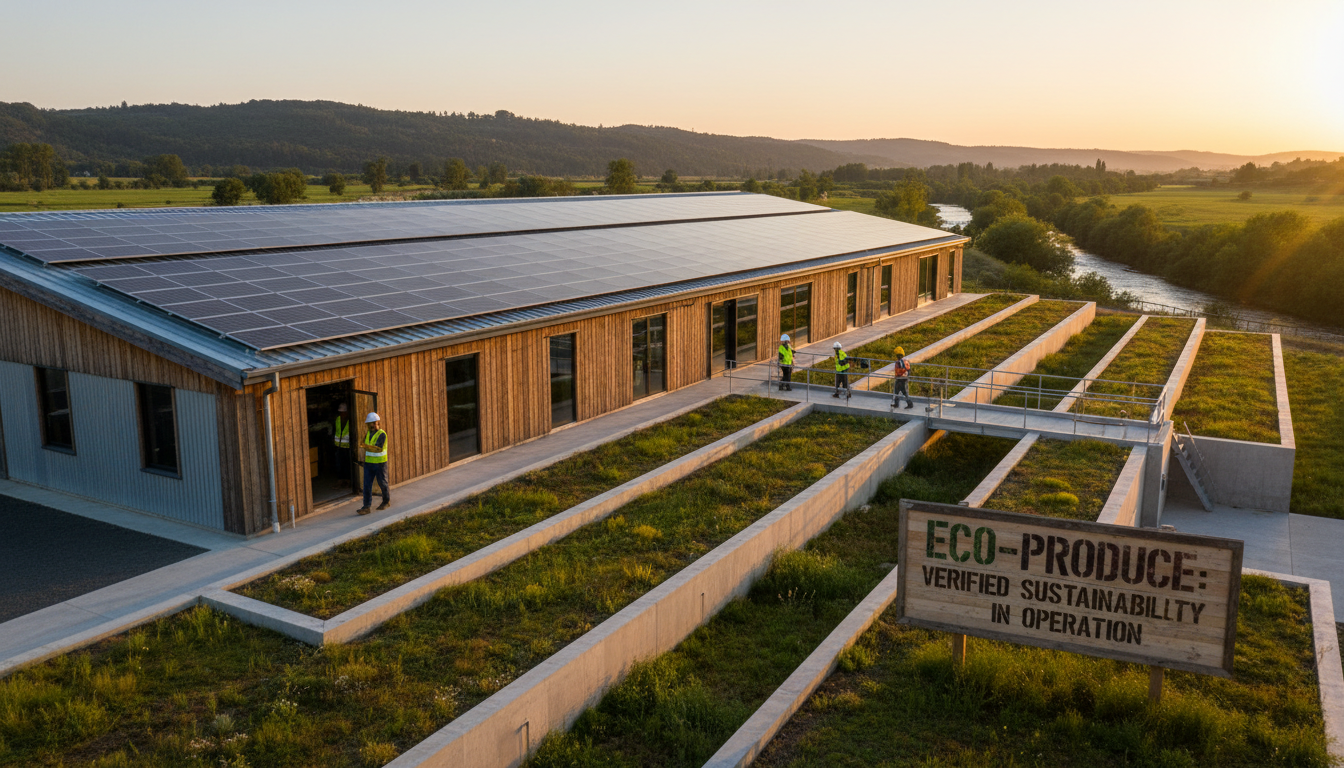
In conclusion, an energy audit is a valuable tool for any business looking to optimize energy use and reduce costs. By following these steps, you can make informed decisions that benefit both your business and the environment.