How Borehole Drilling Can Transform Water Access in Kanifing
Introduction to Borehole Drilling
In regions like Kanifing, access to clean and reliable water sources is a significant challenge. Borehole drilling has emerged as a transformative solution, offering communities a sustainable way to access underground water. This method not only provides a consistent water supply but also enhances the quality of life for residents.
Understanding Borehole Drilling
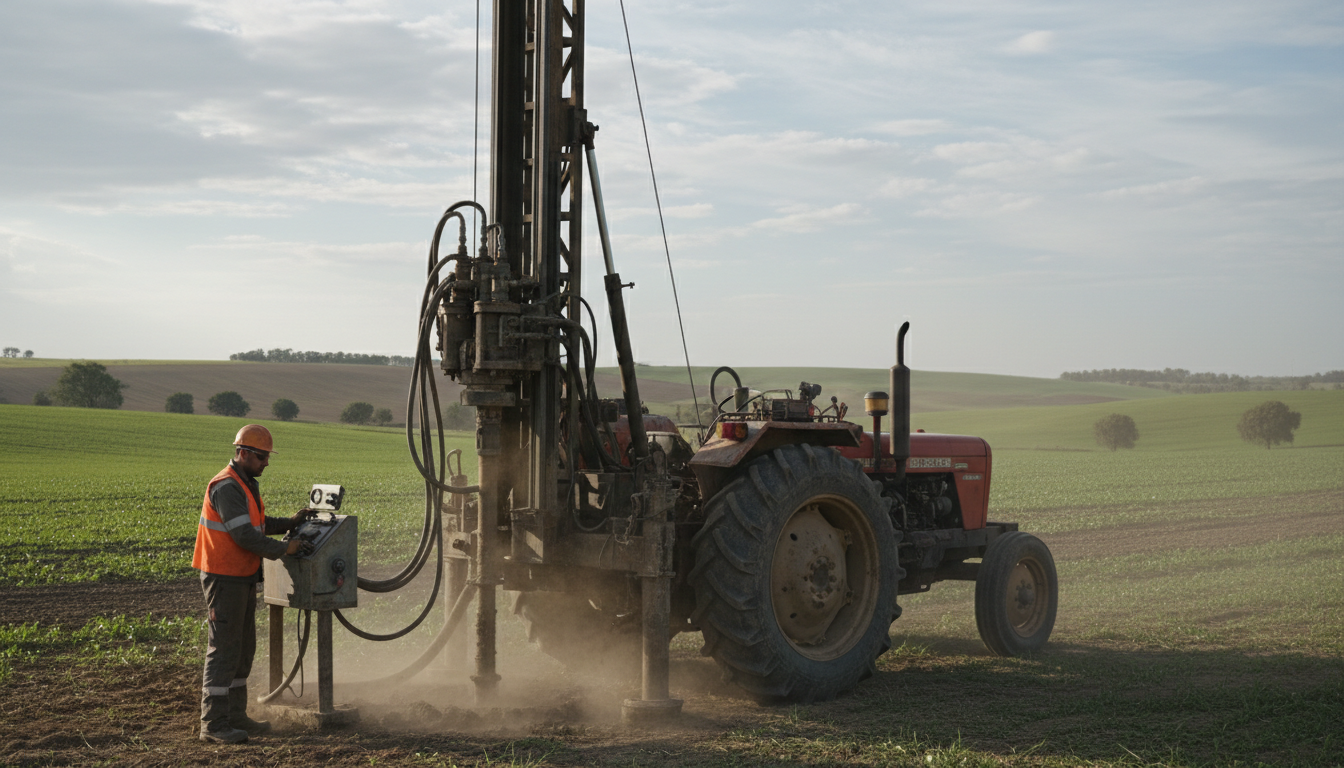
Borehole drilling involves creating a deep, narrow hole in the ground to access underground water reservoirs. This process requires specialized equipment and expertise to ensure that the borehole is both effective and sustainable. Once drilled, these boreholes can be equipped with pumps to draw water for various uses, including drinking, agriculture, and sanitation.
One of the primary benefits of borehole drilling is its ability to reach aquifers that are otherwise inaccessible. This is particularly crucial in areas where surface water is scarce or contaminated, providing a reliable and safe source of water.
Benefits of Borehole Drilling in Kanifing
The introduction of borehole drilling technology in Kanifing has several advantages. Firstly, it offers a dependable water supply, which is essential for both domestic and agricultural needs. This consistent access to water can improve crop yields and support local agriculture, contributing to food security.
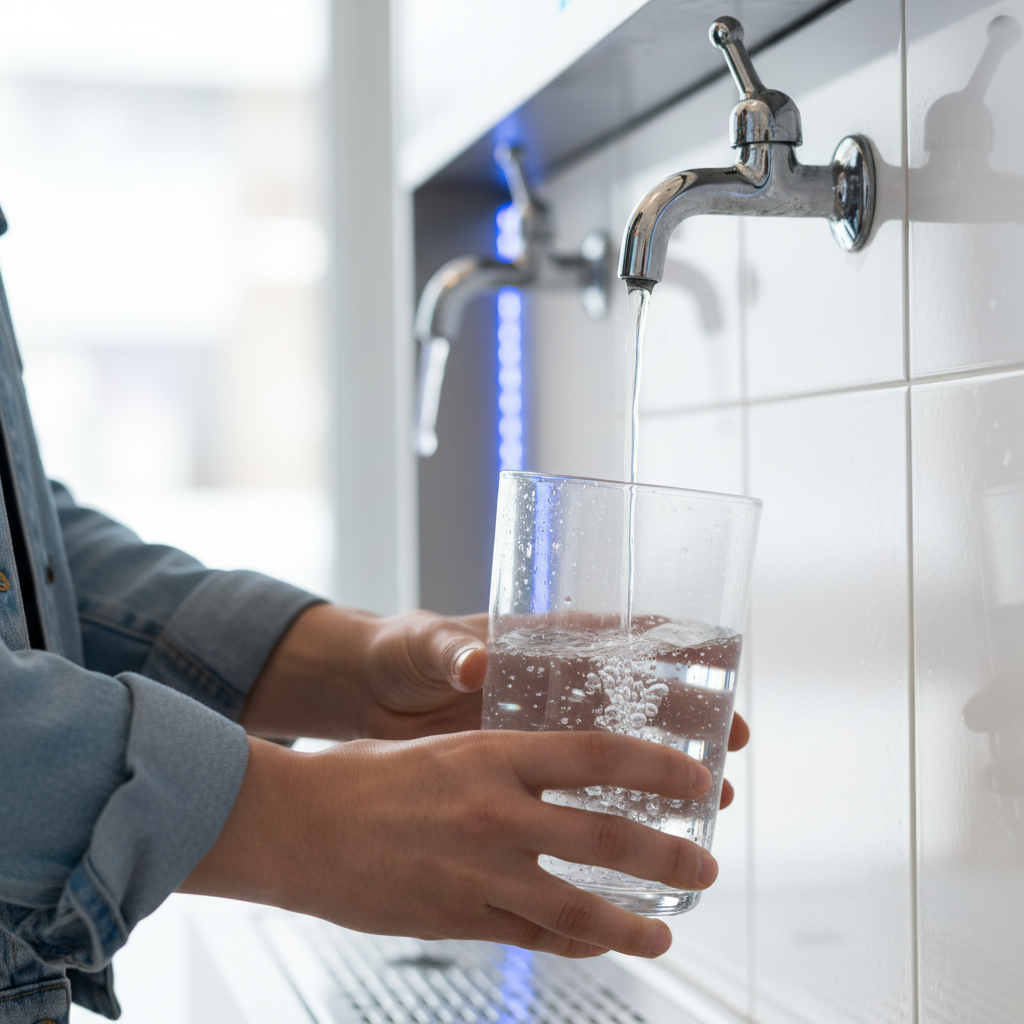
Another significant benefit is the potential for improved health outcomes. With access to clean water, communities can reduce the incidence of waterborne diseases, leading to better overall public health. Additionally, having a borehole can reduce the time spent collecting water from distant sources, allowing families to focus on other important activities.
Environmental Impact and Sustainability
While borehole drilling provides many benefits, it is crucial to consider its environmental impact. Proper site assessment and management are necessary to ensure that water extraction is sustainable and does not deplete local aquifers. Responsible drilling practices can help maintain the balance of the ecosystem and ensure long-term water availability.
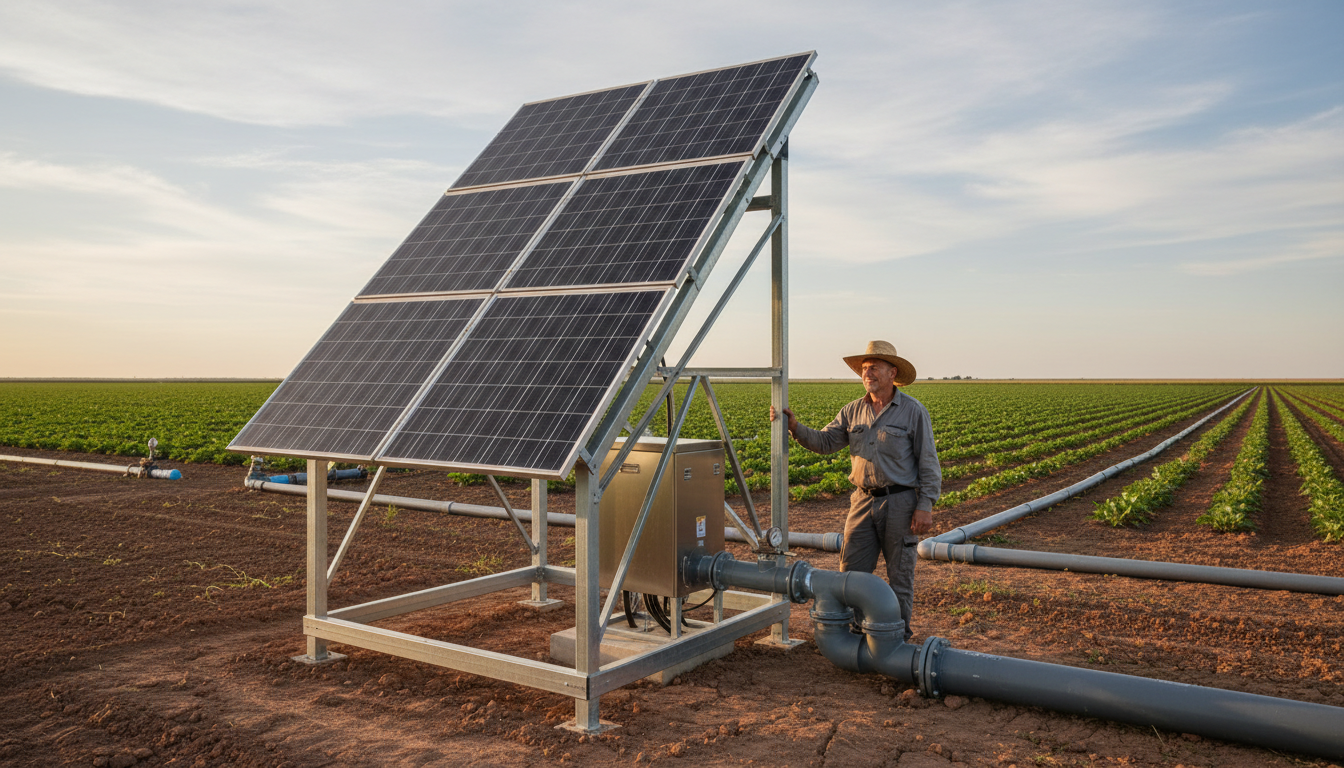
Moreover, the use of solar-powered pumps for boreholes can minimize carbon emissions and promote environmentally friendly practices. These sustainable solutions are vital for reducing the ecological footprint of water extraction in Kanifing.
Implementing Borehole Projects
Successfully implementing borehole projects in Kanifing requires collaboration between local governments, international organizations, and the private sector. This cooperation ensures that resources are pooled efficiently and that borehole projects are effectively managed and maintained.
Community involvement is also critical for the success of these projects. Educating residents about the importance of water conservation and the maintenance of borehole infrastructure can lead to more sustainable use and longer-lasting benefits.
Conclusion
Borehole drilling is a promising solution for transforming water access in Kanifing. With the right strategies and sustainable practices, it can provide a reliable and clean water source, improving the quality of life for many residents. As these projects continue to expand, they hold the potential to create lasting positive impacts on the community and environment.