Borehole Drilling in Gambia: Ensuring Sustainable Water Access
Introduction to Borehole Drilling in Gambia
Access to clean and safe water is a fundamental human right. In Gambia, ensuring sustainable water access is crucial for both urban and rural communities. Borehole drilling has emerged as a viable solution, offering a reliable source of water even in the most remote areas.
The Importance of Sustainable Water Solutions
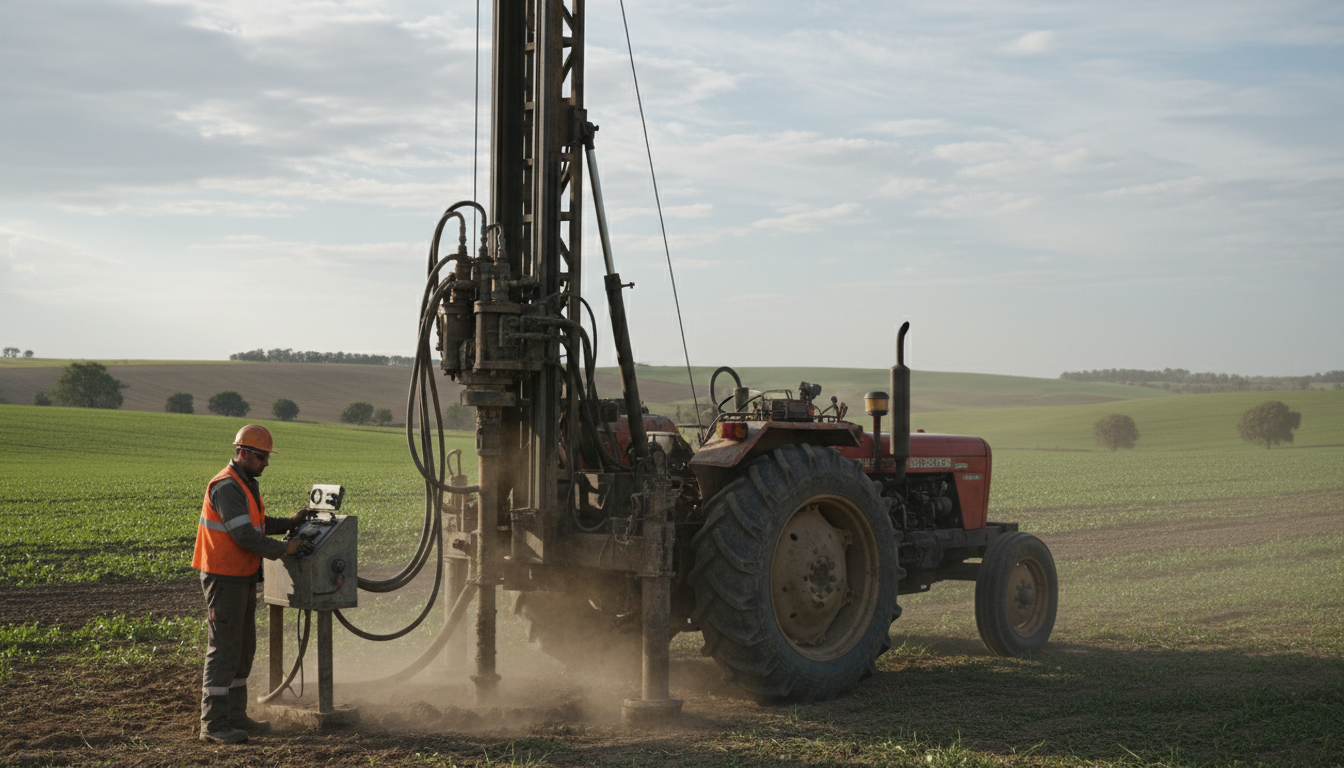
Gambia faces significant challenges in water supply due to climate change and population growth. Borehole drilling provides a way to tap into underground water reserves, ensuring a steady supply. This method not only supports daily needs but also boosts agricultural productivity.
Environmental Considerations
While borehole drilling is beneficial, it's essential to consider environmental impacts. Proper site assessment and drilling techniques can minimize ecological disruption. Sustainable practices ensure that water extraction does not deplete natural reserves.
Steps in Borehole Drilling
Drilling a borehole involves several critical steps to ensure efficiency and sustainability. Here's a brief overview:
- Site Assessment: Identifying the best location based on geological surveys.
- Drilling: Using specialized equipment to reach underground aquifers.
- Installation: Setting up the infrastructure to pump and store water.
Cost and Maintenance
The initial cost of borehole drilling can be high, but the long-term benefits often outweigh the expenses. Regular maintenance is crucial to ensure the borehole remains functional and efficient. Proper care can extend the lifespan of the system significantly.
Community Impact
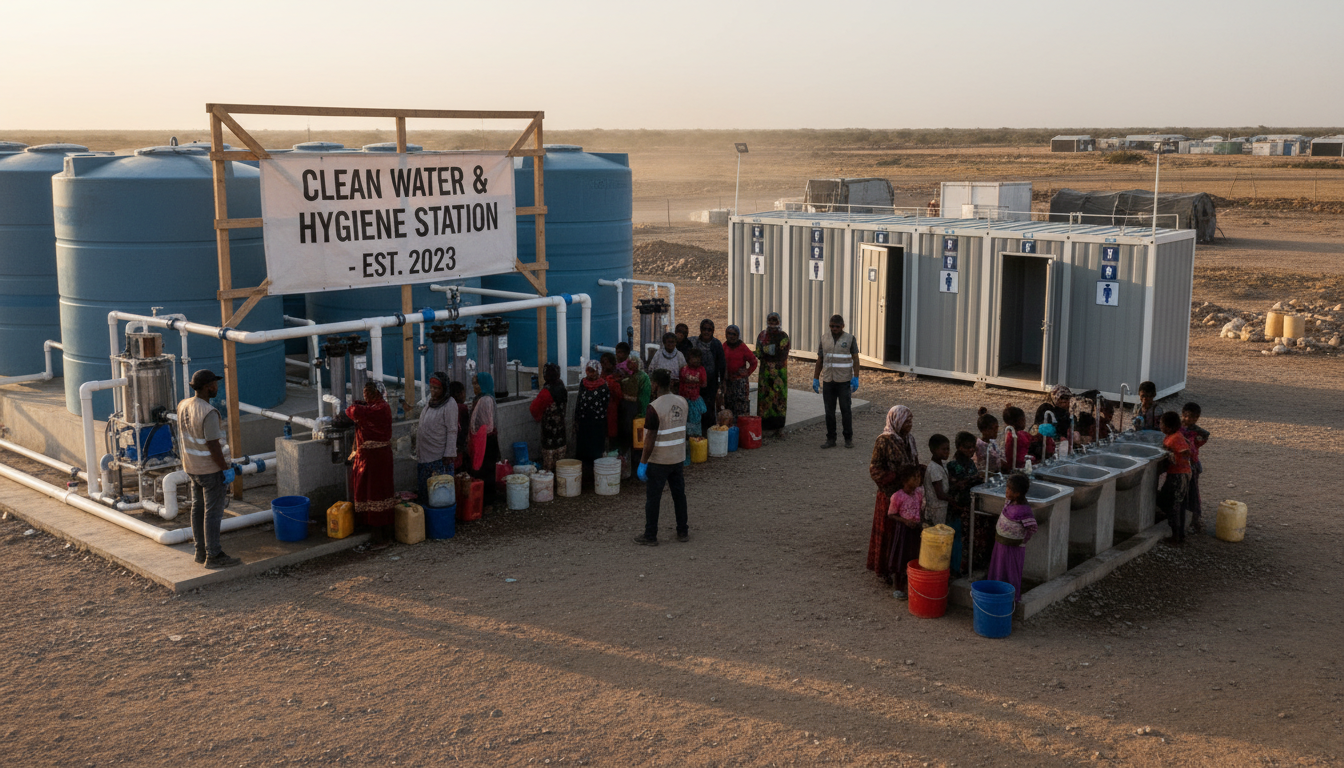
Borehole drilling has a transformative effect on communities in Gambia. It not only improves health by providing clean water but also empowers women and children, who often bear the burden of water fetching. Access to water enables children to attend school and women to engage in economic activities.
Challenges and Solutions
Despite the benefits, challenges such as funding, technical expertise, and resource management can hinder projects. Collaborative efforts between government, NGOs, and local communities are essential to overcome these obstacles. Innovative funding models and capacity-building initiatives can drive progress.
Future of Borehole Drilling in Gambia
As technology advances, the efficiency and effectiveness of borehole drilling are expected to improve. Embracing renewable energy sources like solar power for water pumping can further enhance sustainability. The future holds promise for expanding water access across Gambia.
In conclusion, borehole drilling is a vital component in ensuring sustainable water access in Gambia. By adopting environmentally friendly practices and fostering community collaboration, this solution can provide lasting benefits for generations to come.